-
Images: Ágata Timón/ ICMAT.
-
-
-
-
-
-
-
-
-
-
-
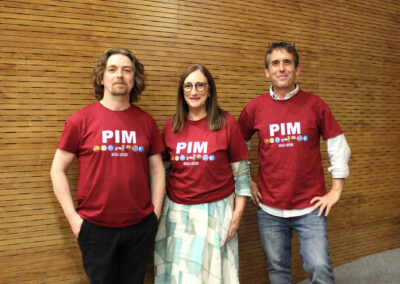
From left to right: Andrei Jaikin (ICMAT-CSIC), Victoria Otero (RSME), and Javier Aramayona (ICMAT-CSIC).
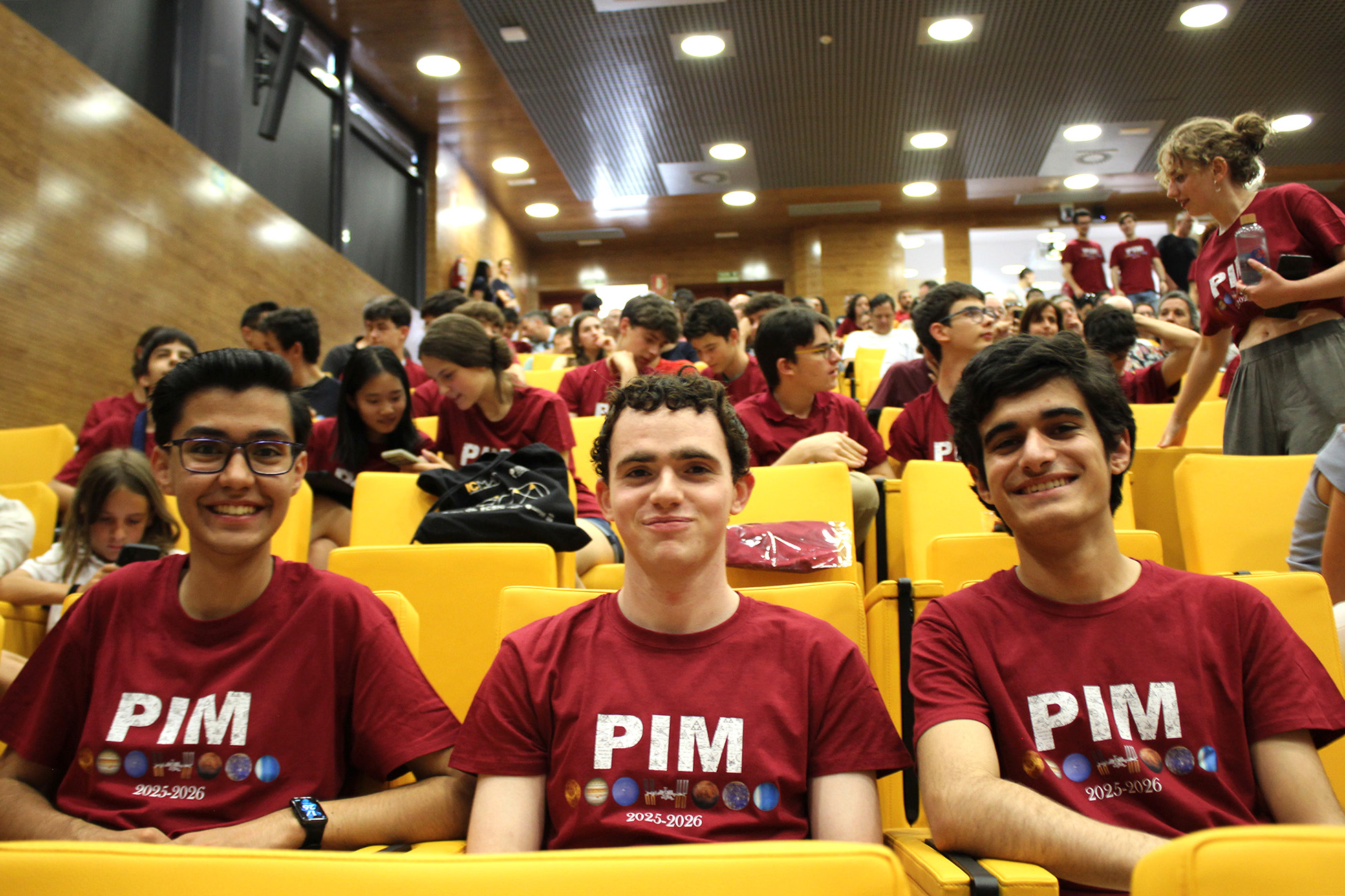
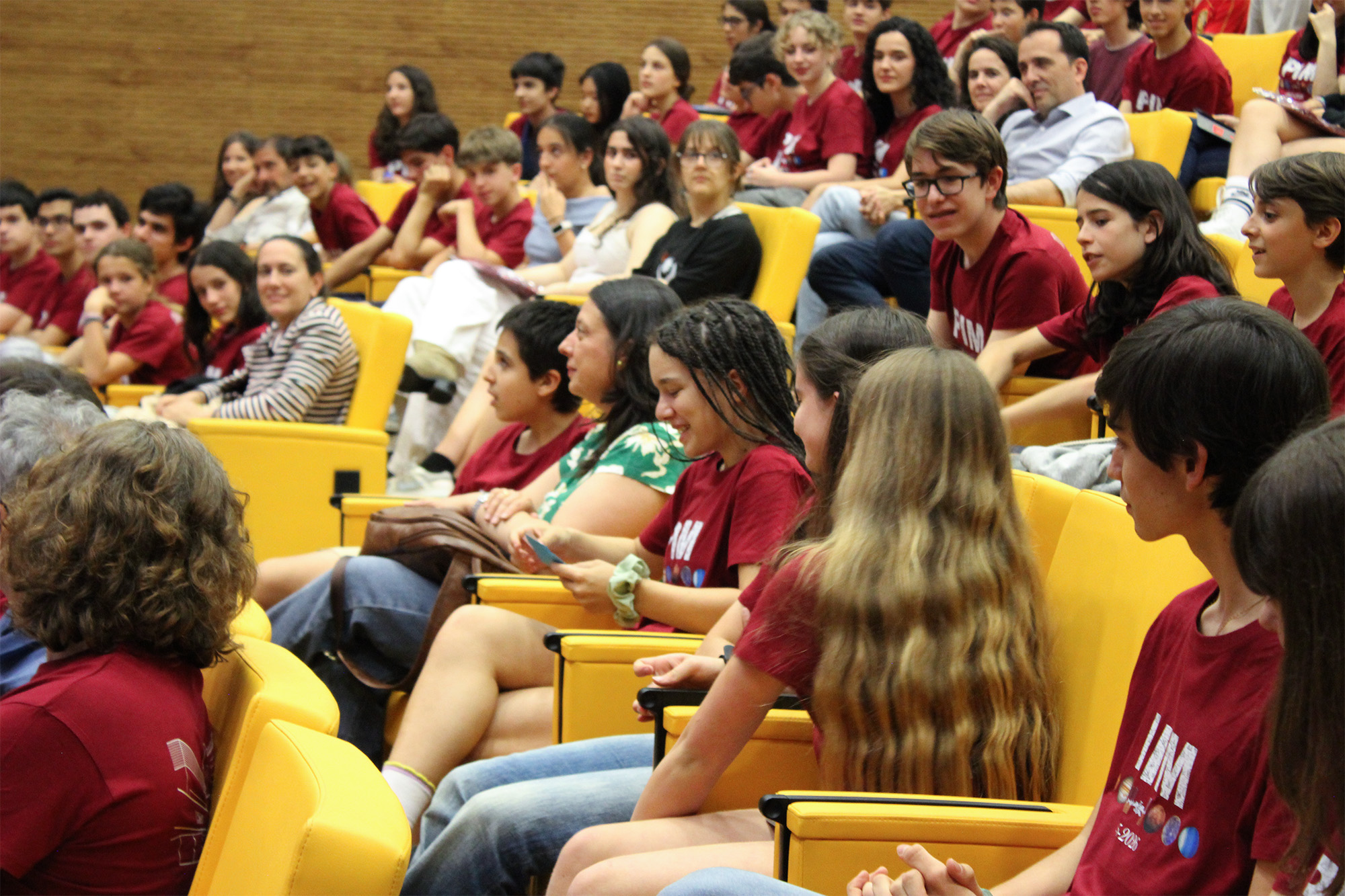
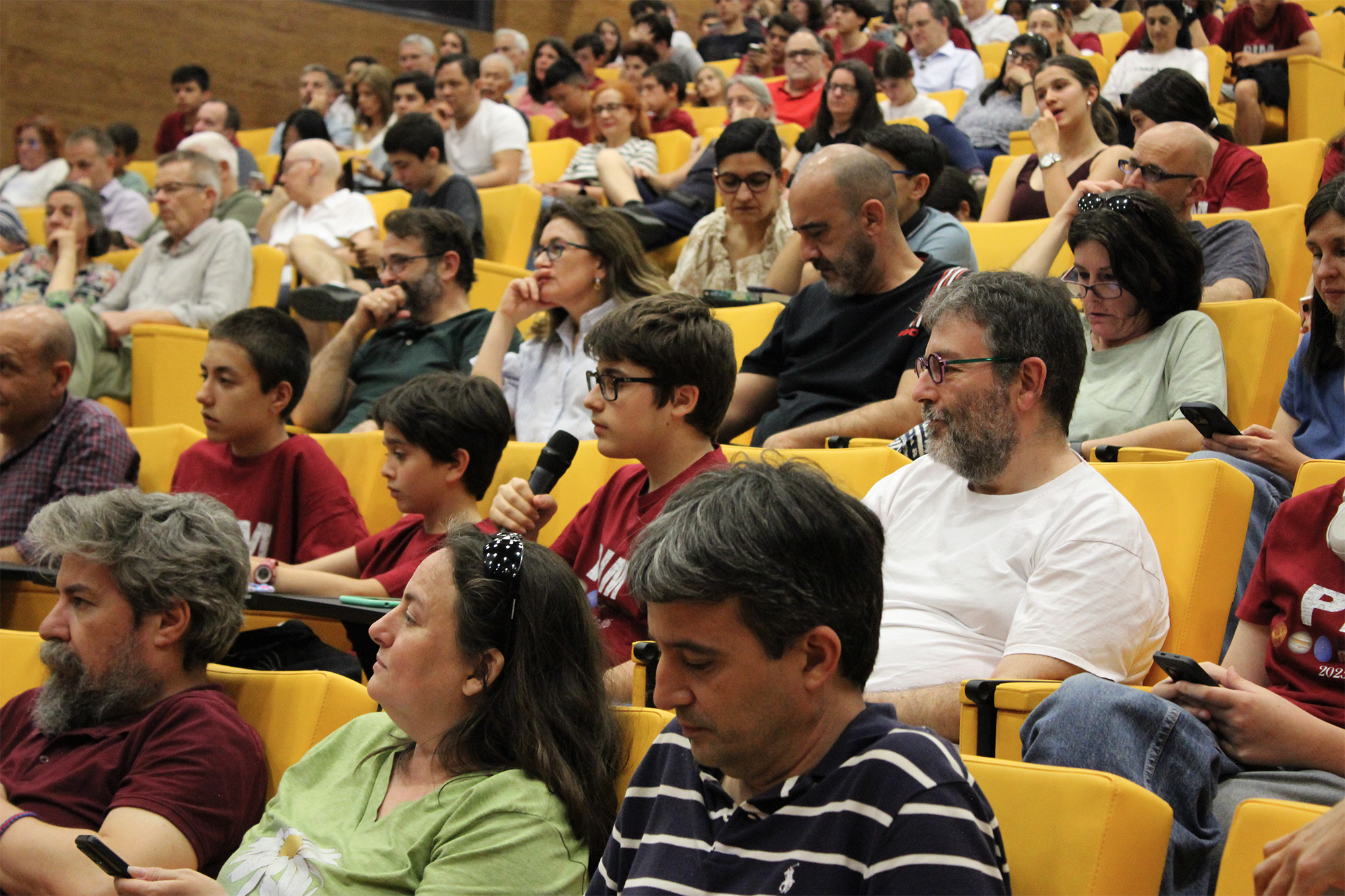
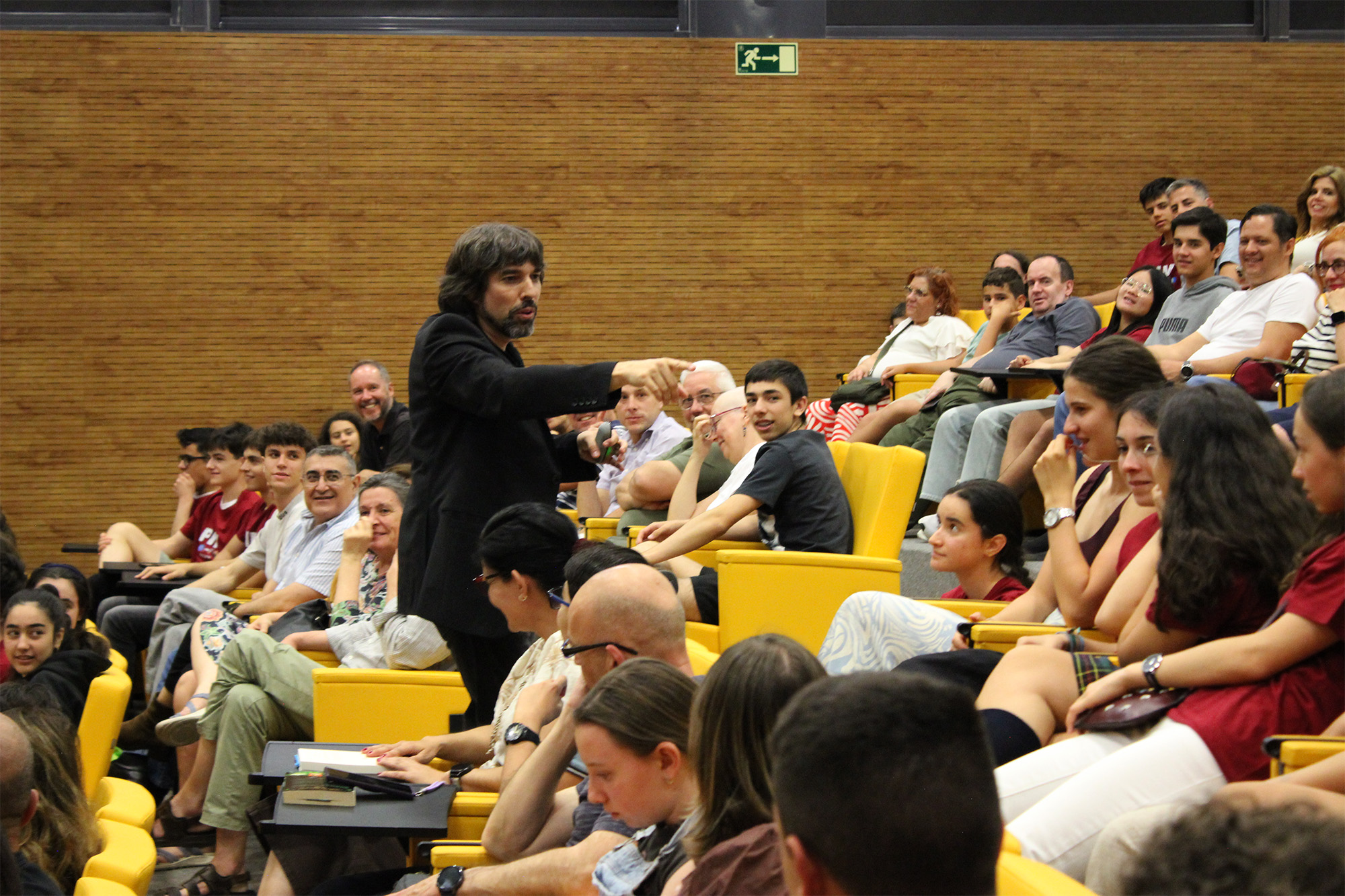
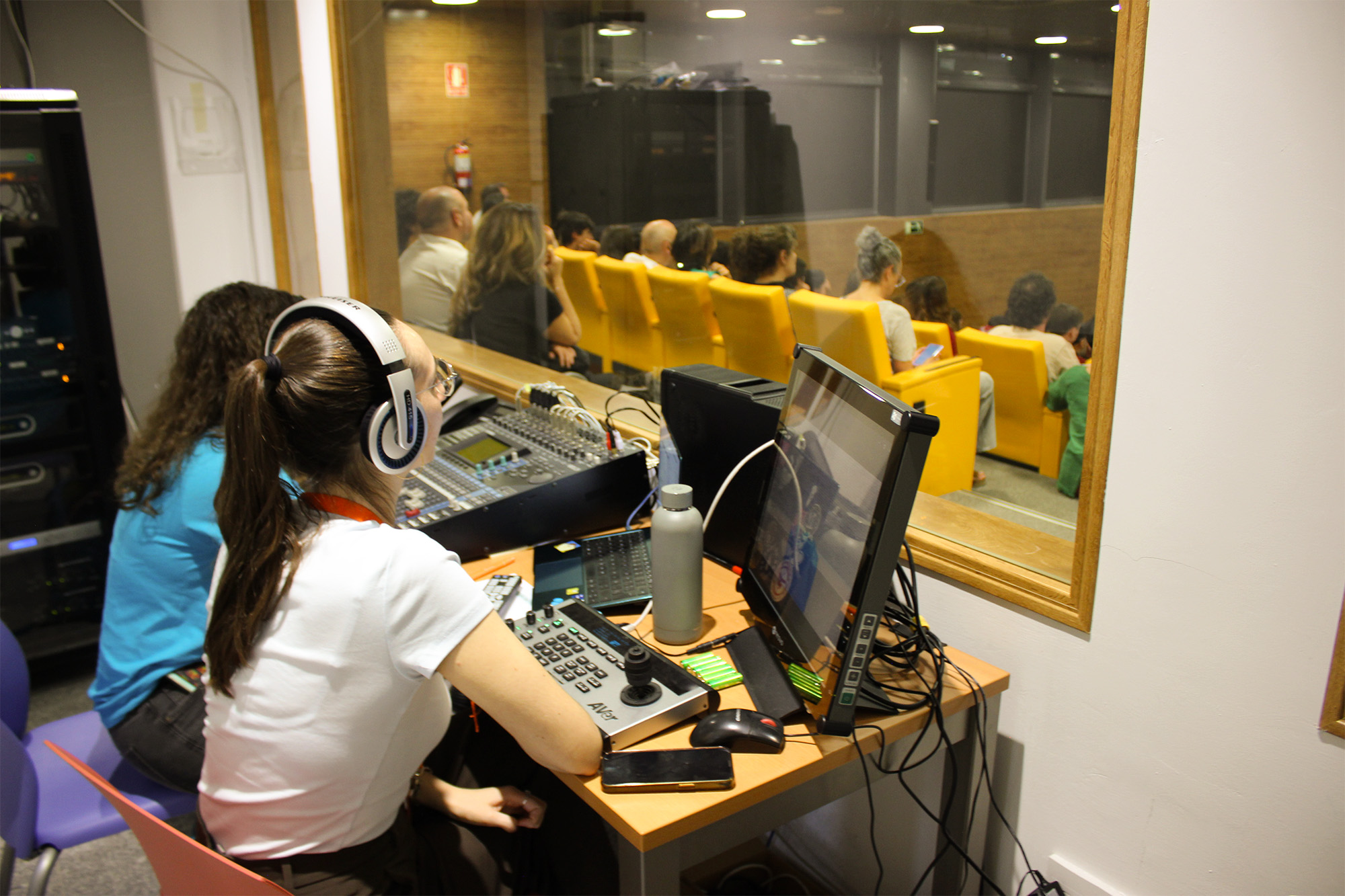
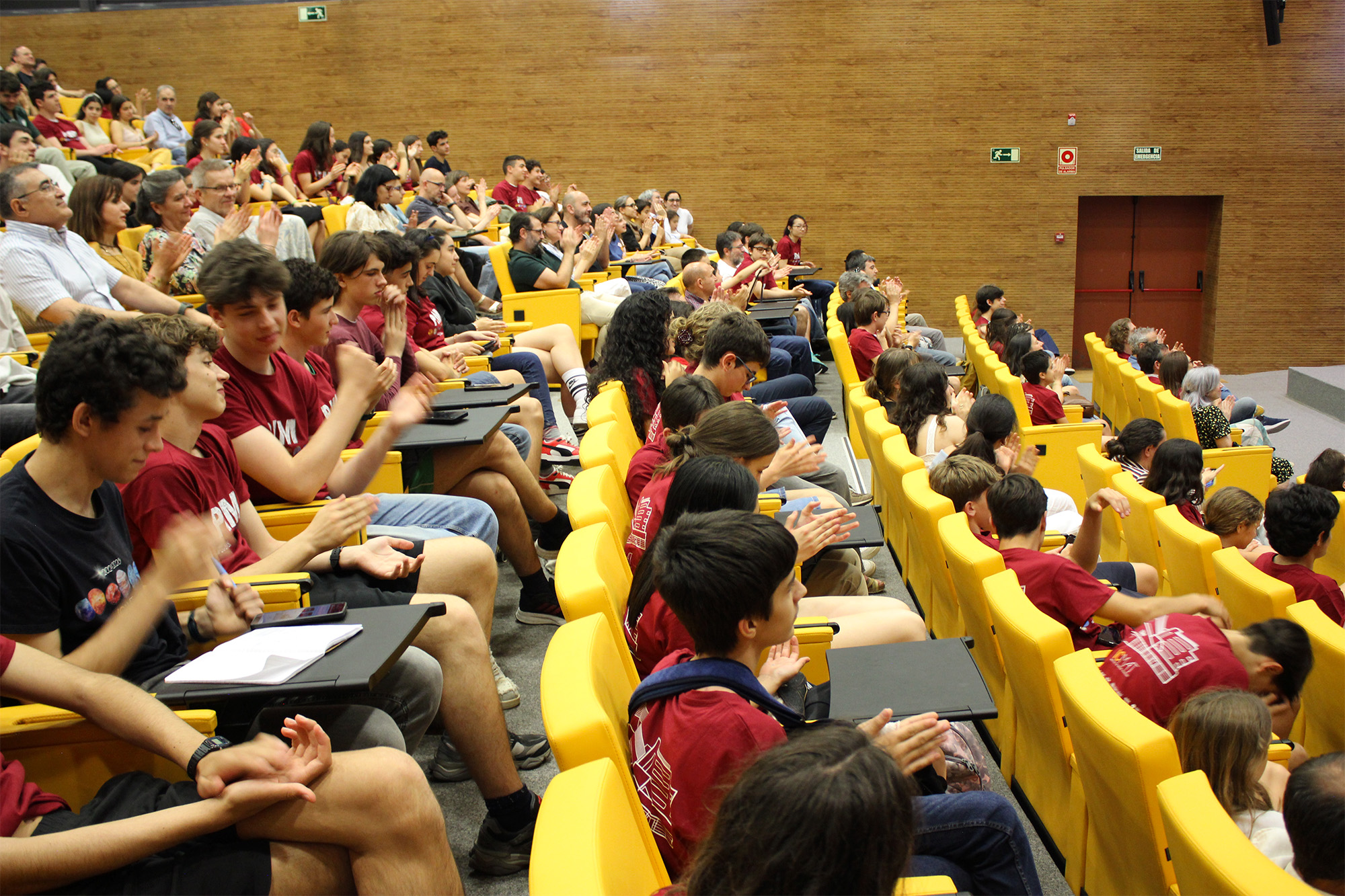
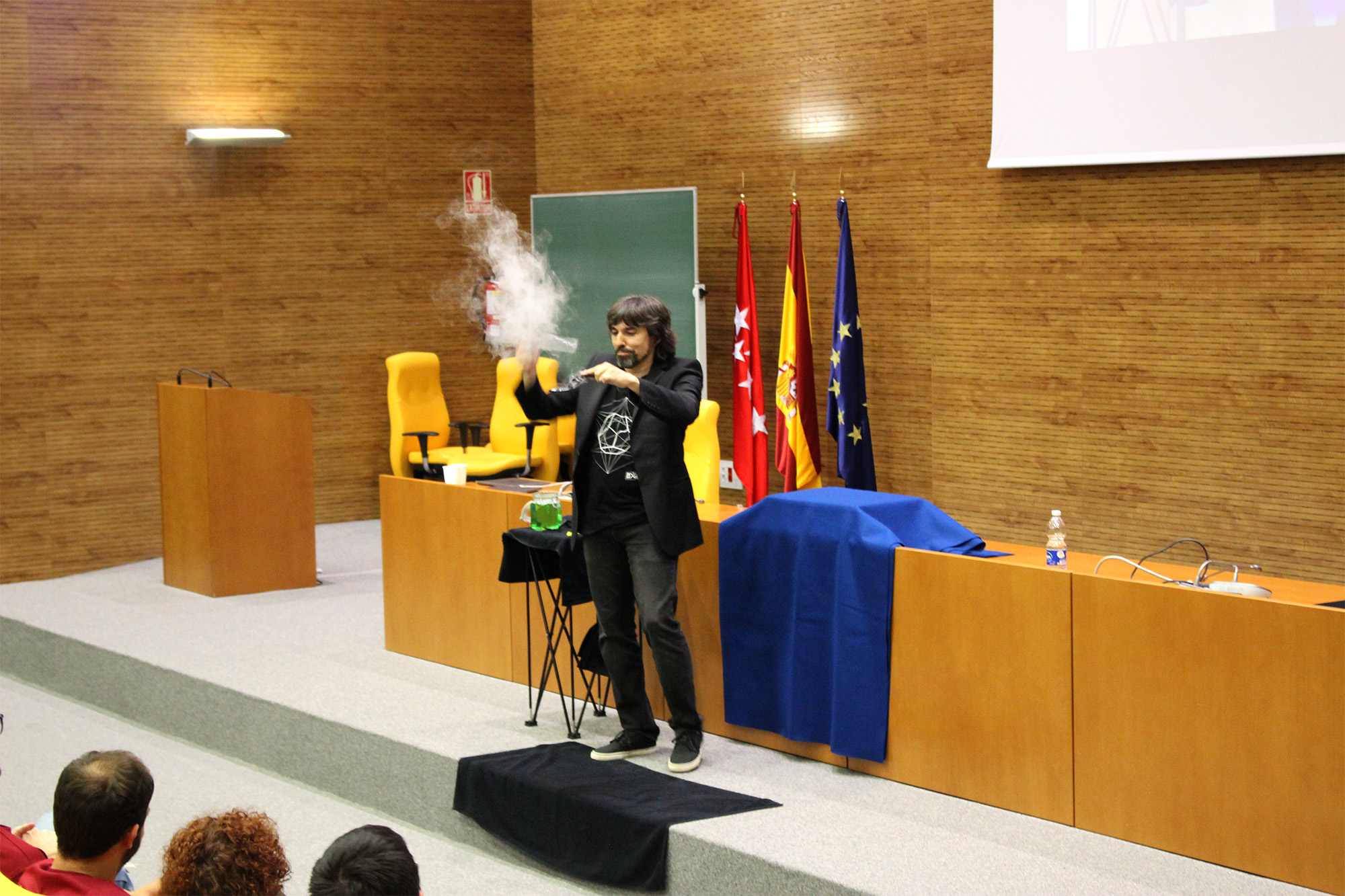
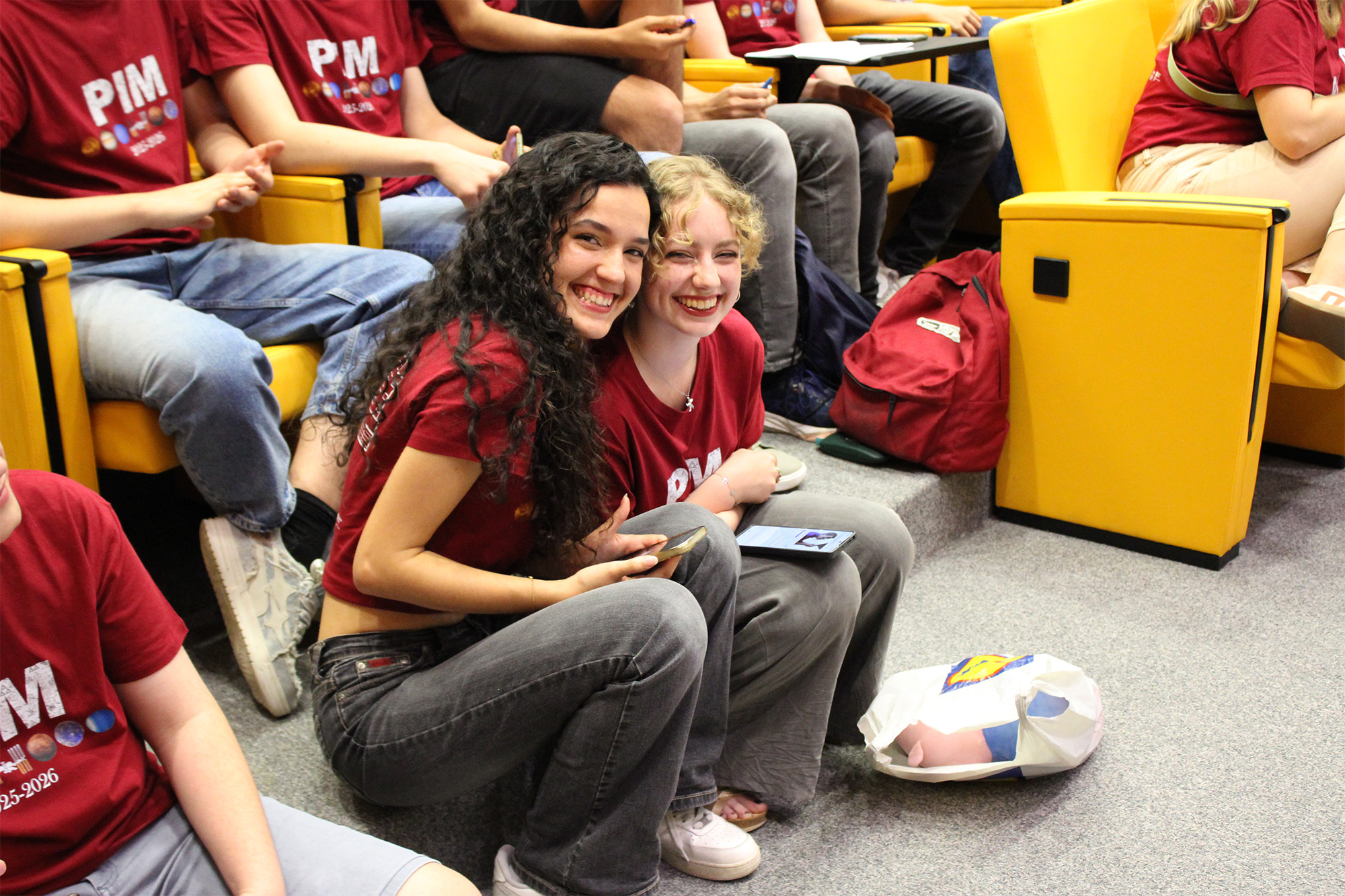
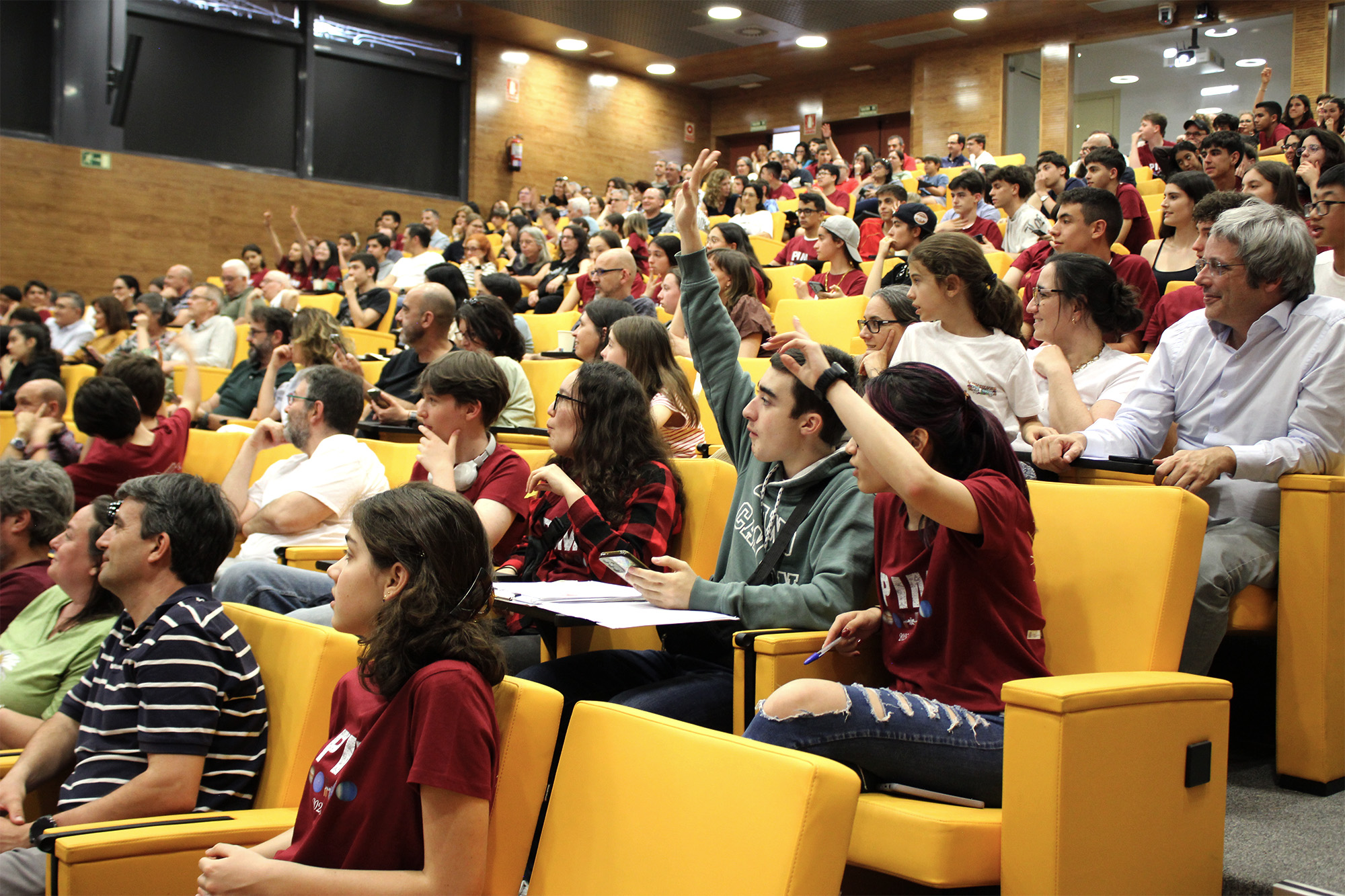
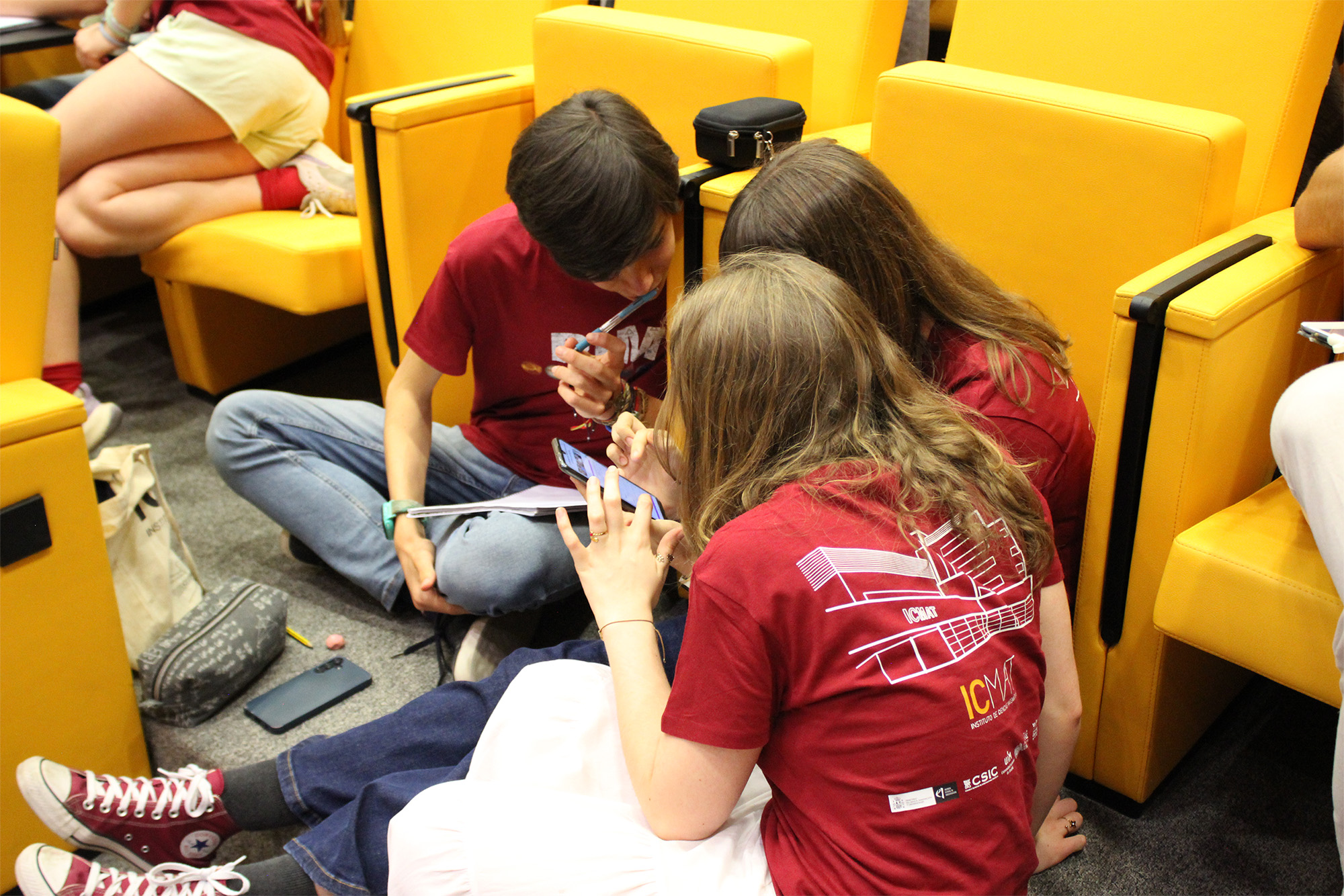
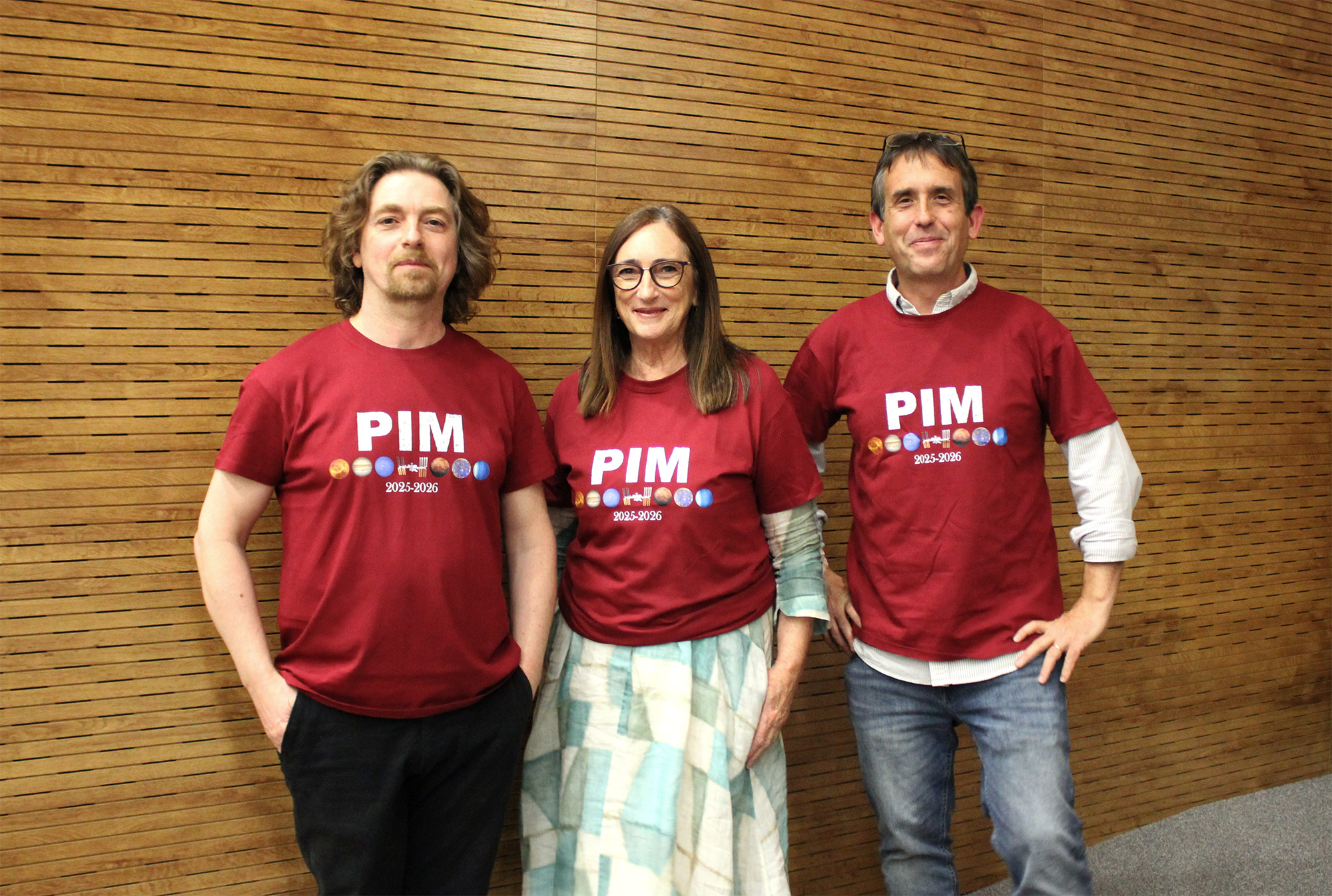
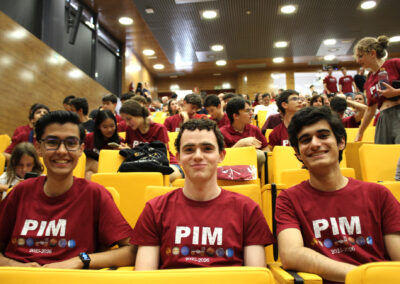
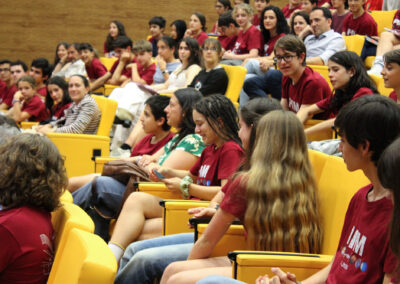
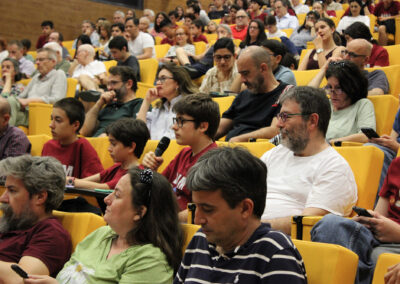
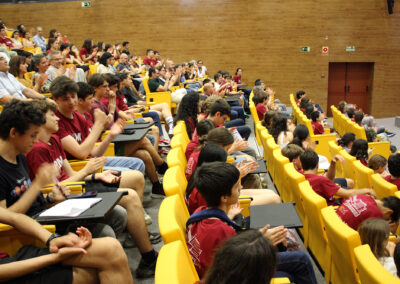
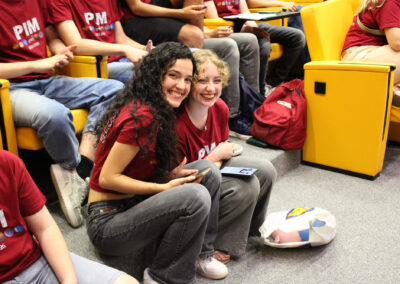
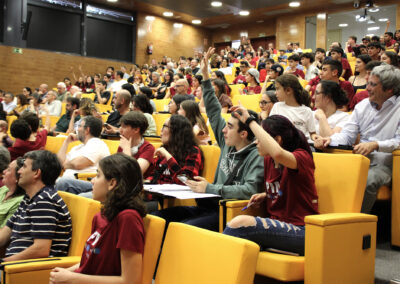
Last Friday, May 22, participants and families of the Small Mathematics Institute (PIM), together with academic authorities, attended the closing ceremony of the 2025–2026 PIM academic year. The event marked the conclusion of another successful year, during which 150 students had the opportunity to explore a very different kind of mathematics from what they typically encounter in school textbooks.
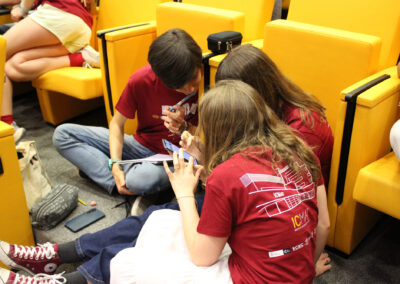
Under the principle that “Mathematics is not learned by watching, but by doing,” ICMAT launched PIM in 2022 as a project aimed at young people between the ages of 12 and 18 who are interested in mathematics. The sessions, held every Friday during the academic year from 5:30 p.m. to 8:00 p.m. at ICMAT’s facilities, follow the methodology of mathematical circles: students work together in groups to solve problems they have previously tackled at home.
The program is based on fostering curiosity as the driving force behind learning, with the goal of helping students enjoy mathematics by solving challenging problems that require reflection, perseverance, and creativity. “Its uniqueness lies in its ability to help participants learn by doing, which is undoubtedly the type of learning that leaves the deepest and most lasting impact,” says María Victoria Otero, President of the Spanish Royal Mathematical Society, who attended the closing ceremony. “It acts as a genuine identifier of talent and a catalyst for mathematical vocations among very young people who possess great potential and a genuine interest in mathematics, at an age when it is often difficult to know what they want to do in the future,” she adds.
Now, after four years of development, the project has accumulated substantial experience. “We are at the perfect moment to share this knowledge and the materials developed with the mathematical community,” says Andrei Jaikin, CSIC Research Professor at ICMAT and director of the project.
The project has an extensive database containing nearly 3,000 exercises and theoretical introductions that can be adapted to different levels, and it is willing to share these resources with anyone interested in establishing a mathematical circle in their city or neighborhood. “In addition, with the support of the Spanish Royal Mathematical Society, we can assist in addressing the various logistical challenges that may arise,” notes Jaikin. In this way, PIM hopes to begin a new phase in which its accumulated experience becomes a seed for other similar initiatives. “I believe it would be very valuable for this experience to be replicated in other institutions and regions of the country, so that the ability of PIM to attract future mathematical talent throughout its different editions can reach an even broader audience,” says Otero.
The Closing Ceremony
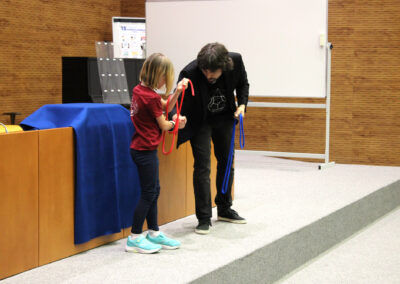
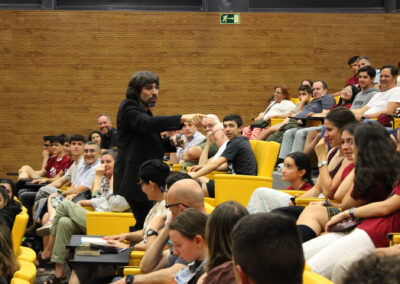
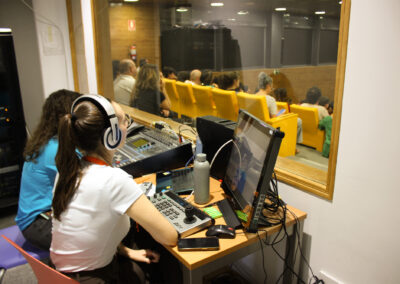
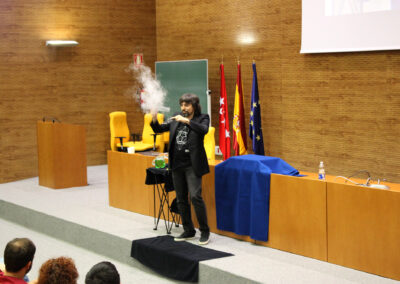
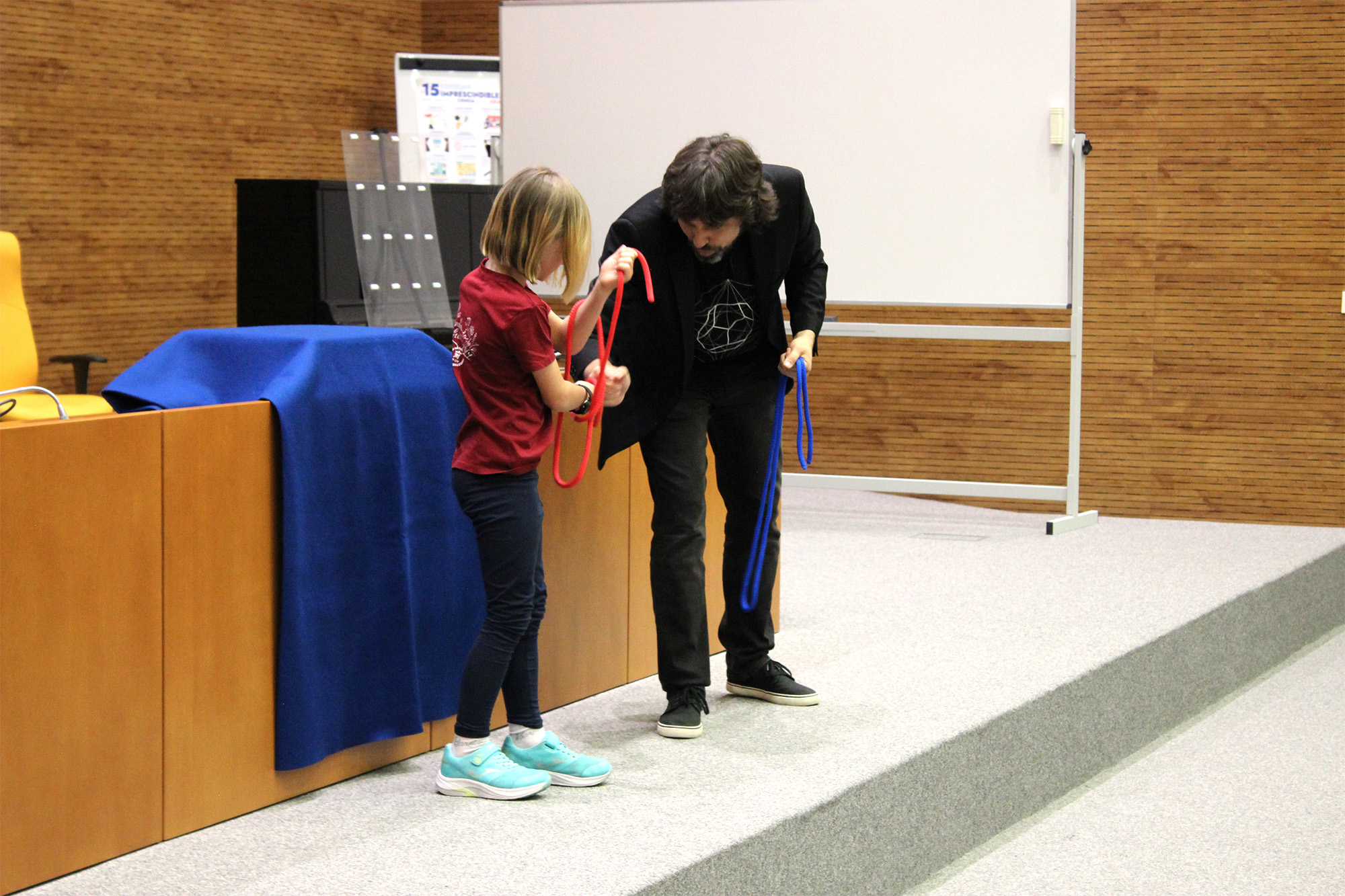
More than 300 people attended the closing event for the 2025/26 academic year, including Otero and Jaikin, as well as Javier Aramayona and Ana Bravo, Director and Deputy Director of ICMAT, respectively. The event began at 5:30 p.m. with a performance by Nelo Maestre (Divermates), who combined magic and mathematics in an entertaining and accessible show. After a break, the afternoon continued with a quiz competition that tested the audience’s knowledge, followed by a talent show in which the students themselves took center stage.
Afterward came the awards ceremony, and ten minutes later, the graduation of the 12th-grade students, who were completing their time at PIM before moving on to university.
“PIM is a creative and determined initiative to promote mathematical vocations among young people, which in turn will help create the right environment for educating the next generation of scientists in Spain,” summarizes Javier Aramayona, Director of ICMAT.
Registration for the 2026–2027 academic year is now open, with entrance examinations scheduled for May 29.
Notice: This text has been automatically translated from Spanish into English.